01
Experience DCB
Meet the breathing process through your own body and assess whether the approach is right for you.
Professional breathwork instructor training in Lithuania
Breath. Body. Nervous system. Awareness.
Deep Circular Breathing education that integrates embodied practice with physiology, psychology, nervous-system literacy and clear principles for responsible facilitation.
Learning pathway
Each stage develops a new level of competence. Begin with a single session or explore the full instructor-training pathway.
Meet the breathing process through your own body and assess whether the approach is right for you.
Understand respiratory physiology, psychology and the structure of a facilitated process.
Practise facilitation, observation, reflection and professional ethics.
Develop mastery through supervision, complex-case review and continuing practice.
About rebirthing and DCB
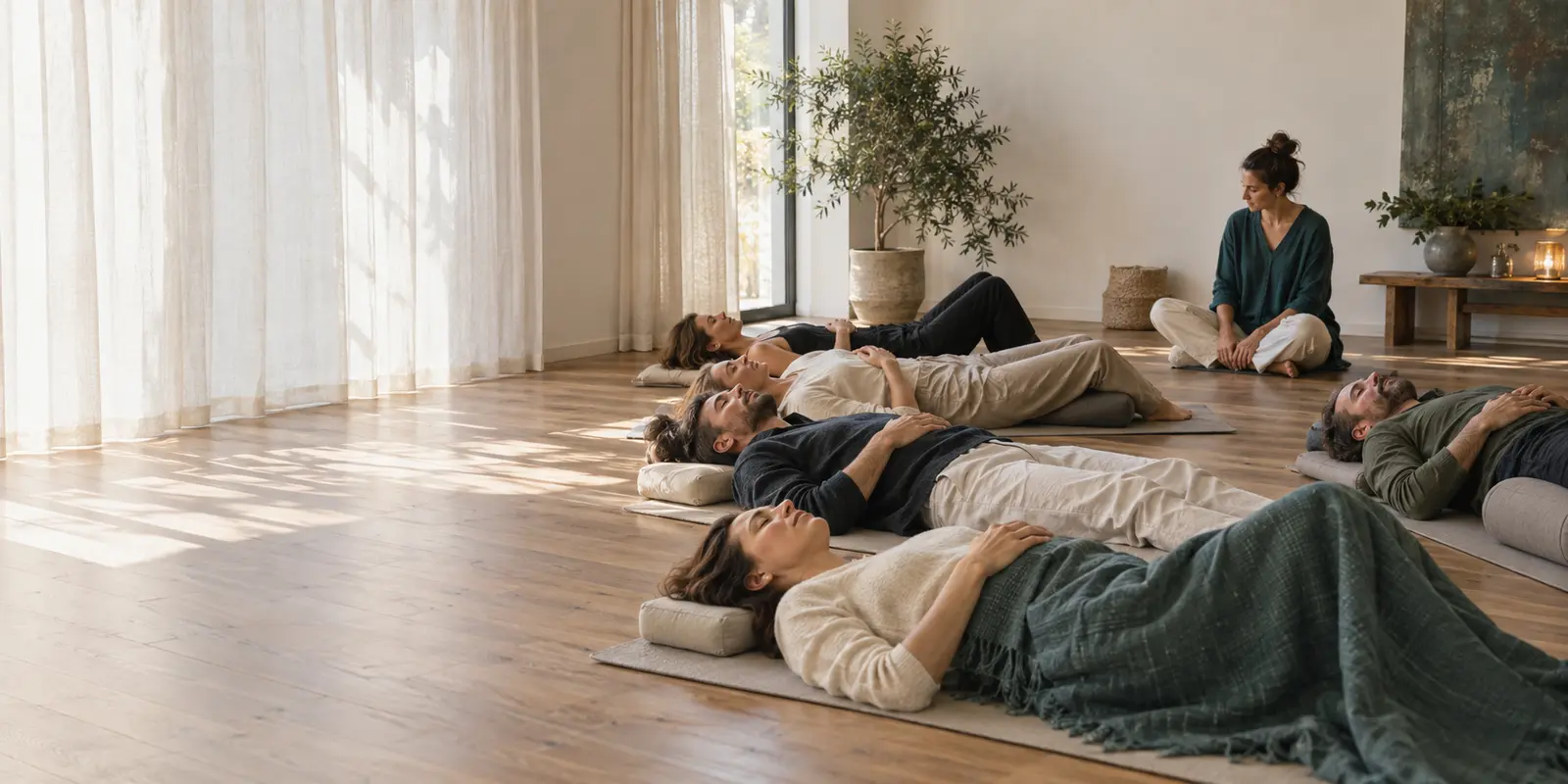
Deep Circular Breathing (DCB) is a conscious breathing process in which inhalation and exhalation move in a connected rhythm. Practice usually takes place lying down while an instructor observes breathing, bodily responses and the overall level of activation.
The experience may be quiet, deep or intense. The instructor maintains a clear structure, recognises signs of overload and supports continued access to a resourceful state.
Ask about a first sessionIntention, current state, health context and agreements.
Body position, breathing rhythm, boundaries and resources.
Connected process, observation and intensity regulation.
A calm closing, reflection and practical guidance.
Instructor training
Training combines personal practice, theory, observation, supervised facilitation and feedback. Completion criteria are based on demonstrated competence.
Breathing science, psychology, the nervous system and methodology.
Personal experience, techniques, observation and facilitation.
Reflection, feedback, ethics and professional boundaries.
Duration, practice hours, assessment criteria and the type of certificate are specified for each training cohort.
Trauma-sensitive practice
We train instructors to observe the person, the breathing process and nervous-system responses at the same time. They learn to regulate activation, maintain resource support and change direction when the process calls for it.
Current state, relevant health context, expectations and readiness for practice.
Breathing pace, bodily signals and activation are monitored throughout the process.
Orientation, contact, choice and the capacity to return to greater stability.
A clear understanding of when to pause and when to refer to another professional.
Participants complete a health questionnaire before a session or training. Significant cardiovascular, neurological, eye, respiratory or mental-health conditions, pregnancy, recent surgery and relevant medication are discussed individually with a healthcare professional and the training lead.
A DCB instructor facilitates breathwork practice. Mental-health assessment and treatment belong to appropriately qualified professionals.
A distinctive part of our training system
Created by Martinas Driukas, the DCB Somatic Polarity Method is a distinctive part of the Academy’s training system. It provides a clear structure for preparation, process navigation and integration during deep circular breathwork.
The method structures specialised work with themes of traumatic experience: it helps identify Somatic Organization, Protective Strategy, Core Need and Resource Organization while adapting breathing intensity to the person’s nervous-system responses.
This sequence helps the instructor maintain a coherent direction while supporting the participant in recognising their internal organisation and integrating the experience.
Study the method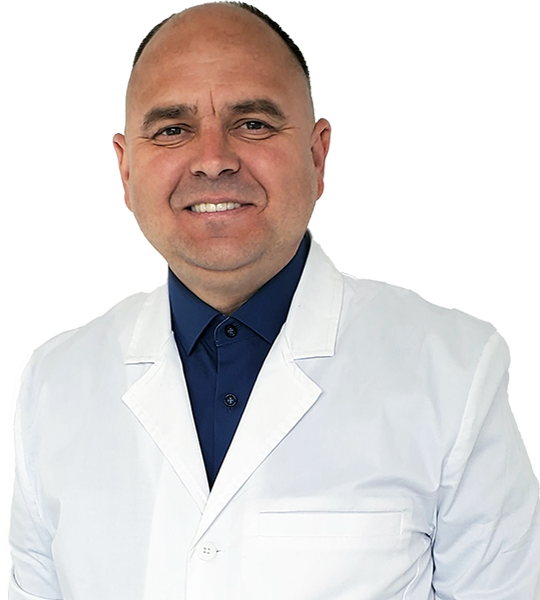
Professional dialogue and international presentation
Psychiatrist · Gestalt psychotherapy · cognitive behavioural therapy
Audrius Mozūraitis is a licensed psychiatrist who completed a five-year Gestalt psychotherapy programme and a five-year course in cognitive behavioural therapy. Martinas Driukas and Audrius Mozūraitis presented the DCB Somatic Polarity Method to international rebirthing communities.
Teachers
The programme is developed and taught by professionals who unite long-term breathwork practice, educational experience and clear professional boundaries.
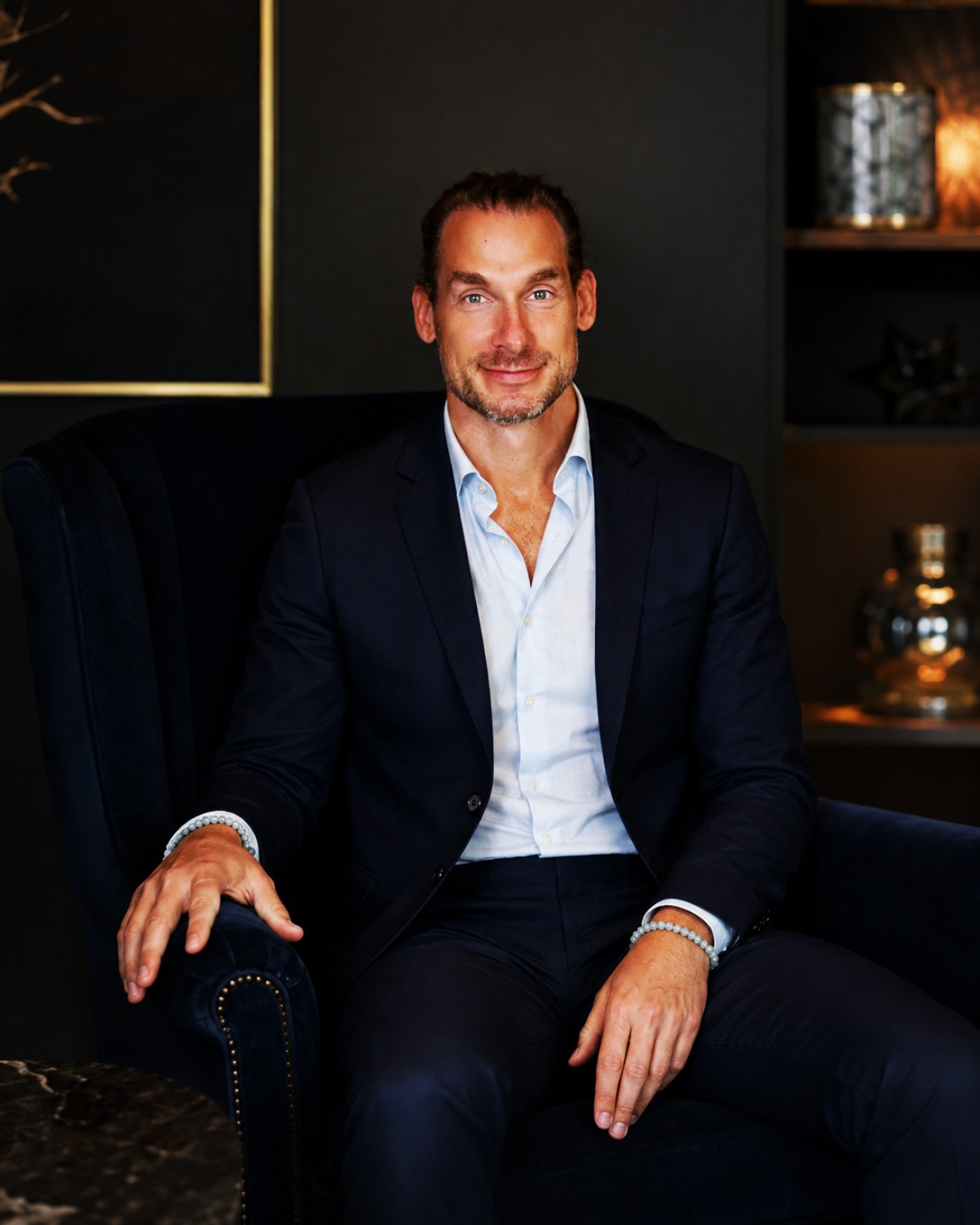
Training director and programme author
DCB teacher · hypnotherapy specialist (ICTA)
DCB educator and breathwork-instructor trainer, coach and hypnotherapy specialist (ICTA). For more than a decade, he has led DCB programmes, trained instructors and refined the curriculum each year.
His professional background includes paramedicine, first aid and emergency care, respiratory physiology, applied psychology, coaching and trance communication. His teaching combines precision, lived experience and responsibility for the participant’s process.
An instructor’s mastery is revealed in the ability to hear the breath, read the body and maintain a safe direction at the same time.
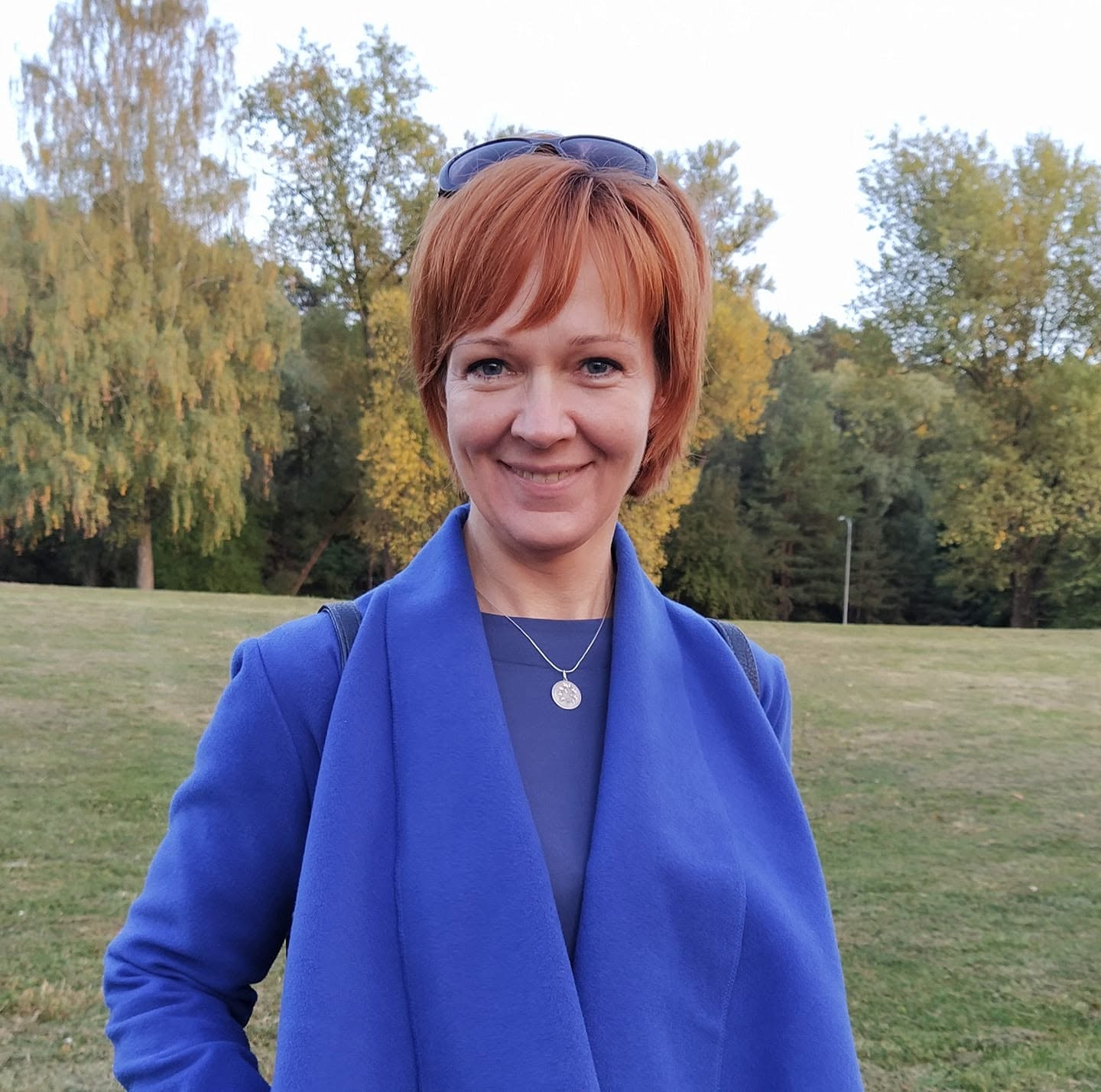
DCB methodology faculty
Ophthalmologist, rebirthing and breathwork instructor, and lecturer in DCB methodology.
A graduate of Kaunas University of Medicine, she has practised conscious breathing since 2017 and developed her professional competence with Dalia Beata, Martinas Driukas and Dan Brulé.
Calendar
The spring 2027 instructor course is now in the calendar. The expanded curriculum and planned learning rhythm are outlined below.
An intensive theory-and-practice programme with Martinas Driukas and Dr Vaiva Nasvytienė. The DCB Somatic Polarity Method is taught as an integrated part of the complete course.
Register for updatesIndividual and small-group sessions in Kaunas and in agreed formats.
Register for updatesContinuing practice, complex-case review and professional feedback for Academy graduates.
Register for updatesSpring 2027 course structure
The curriculum integrates personal practice, breathing science, applied psychology, DCB methodology and facilitation of real sessions with feedback.
An intensive spring programme of approximately 2–2.5 months is planned. Exact start and end dates will be published once the 2027 calendar is confirmed.
14 facilitated breathwork sessions, more than 10 rebirthing methods and adaptations, and 7 therapeutic breathing methods.
Up to 3 meetings per week are planned: online theory on Monday evenings, practical work on Wednesday evenings, and in-person practice plus core lectures on Sundays. Exact 2027 times will be confirmed separately.
The final total is being calculated and will be published with the confirmed timetable. The programme core includes 14 practical sessions and weekly theory classes.
In person at Mahayana – Išminties Namai, Bičiulių St 28, Kaunas. Theory and selected meetings will take place online; theory recordings will remain available to participants.
Participants learn to facilitate DCB for themselves, one-to-one and in small groups, observe demonstrations, lead sessions and receive feedback. Methodological materials and training recordings are provided. The certificate awarded depends on participation, practice and completed assessment criteria.
Tuition, the final number of academic hours and the complete timetable will be published once the spring 2027 cohort is confirmed.In your city
Academy-trained professionals offer individual and group rebirthing and DCB sessions in several Lithuanian cities.
If your city is not listed, contact the Academy and we will help you choose a suitable practitioner or an online format.
DCB methodology faculty · rebirthing and breathwork facilitator
DCB and rebirthing instructor · individual and group sessions
DCB and rebirthing instructor · individual and group sessions
DCB and rebirthing instructor · individual and group sessions
DCB and rebirthing instructor · individual and group sessions
DCB and rebirthing instructor · individual and group practice
DCB and rebirthing instructor
DCB and rebirthing instructor · individual and group sessions
Frequently asked questions
Contact and applications
Complete the confidential Google application form. We will contact you about admission, the confirmed timetable and participation terms.
Google Forms
The Lithuanian-language form asks for:
Health information is requested only to assess safe participation. Please provide only information relevant to the training.
Open the Google formIf the embedded form does not load, open it in a new window. Open the Google form